
Hiking is a great way to get outdoors and enjoy nature. However, it can become uncomfortable and even painful if you don’t take the proper precautions. Blisters are the most common ailment among hikers, but they can easily be prevented.
Let’s break down what causes blisters and how we can prevent them from happening in the first place.
What Causes Blisters?
The most important thing to know about blisters is that they are caused by friction on your skin. This usually happens when you wear shoes or socks that don’t fit properly, or when your feet sweat too much while you’re hiking.
In order to prevent blisters, it’s important to make sure that your shoes fit well and that your socks are made of a breathable material like cotton or wool.
Preventative Steps
The best way to prevent blisters is to be proactive! Before you go on a hike, inspect your shoes and make sure they fit correctly. If they are too tight or too loose, consider replacing them with a new pair before you start walking.
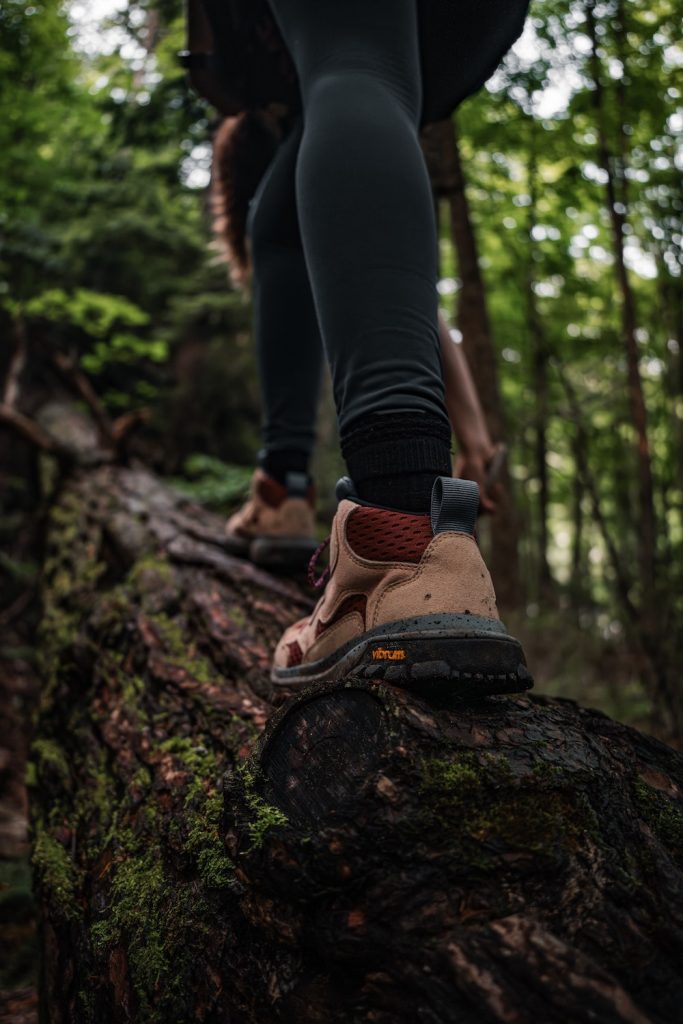
Additionally, make sure that your socks are clean and dry before putting them on; this will help reduce the amount of sweat pooling around your feet during the hike. Also, if possible, choose socks made of natural fibers like cotton or wool instead of synthetic materials like polyester or nylon. These fabrics wick away moisture better than their synthetic counterparts.
You can also consider applying an antiperspirant or foot powder to help reduce sweating in the area where blisters tend to form most often (the heel).
Being aware of the trail or area you’ll be walking in will also help prepare you. If you will be walking around or near waterways or streams, or it has been rainy weather, getting your shoes or feet wet will increase the chances of blisters forming. If you know you’ll be around damp areas, choosing appropriate footwear with waterproof or moisture-wicking technology will lower your chances of blisters.
Conclusion
Hiking should be an enjoyable activity for everyone involved—but it can quickly become uncomfortable if not done properly. Blisters are one of the most common ailments among hikers due to friction between their footwear and skin.
Fortunately, these issues can be avoided by taking basic precautions such as wearing well-fitting shoes and using breathable socks made of natural fibers like cotton or wool. Additionally, applying an antiperspirant or foot powder before starting out on your journey can also help reduce sweating in areas prone to blistering during long hikes.
Lastly, remember to pack a small first aid kit with supplies, so at the first sign of discomfort you can cover the area and at least help prevent or delay any blisters forming. Remember—a little preparation goes a long way!
Read more about how to best prepare yourself for a hike in our Hiking Health section.